

COMPLETED PROJECTS

PROJECT DESCRIPTION
The Margareta of Romania Royal Foundation is implementing the project Bridges Between Generations – Connecting Generations Through Technology during the period 24 July 2025 – 23 January 2026. The project is funded by the European Union – NextGenerationEU scholarships through the National Recovery and Resilience Plan, under the call Digitalization of the Non-Governmental Organizations Sector, based on Financing Contract No. 755/2025. The total value of the project is RON 207,453.85, of which the Beneficiary’s co-financing amounts to RON 10,299.75. 24.07.2025 – 23.01.2026 proiectul Punți între Generații – Conectarea Generațiilor prin Tehnologie, proiect finanțat de Uniunea Europeană – UrmătoareaGenerațieUE through Planul Național de Redresare și Reziliență, apel de proiecte Digitalizarea Sectorului Organizațiilor Neguvernamentale în baza contractului de finanțare nr 755/2025. Valoare totală a proiectului este 207.453,85 lei din care valoarea cofinanțării Beneficiarului este 10.299,75 lei.
GENERAL OBJECTIVE
The digital transformation of the Royal Margareta of Romania Foundation through the development of a sustainable technological infrastructure and a resilient digital infrastructure, enabling remote access to services for beneficiaries, improving the digital accessibility of the organization’s services for seniors, and strengthening the digital skills of 28 employees and volunteers over the 6-month implementation period of the project.
THE PROJECT HAS 3 SPECIFIC OBJECTIVES:
SPECIFIC OBJECTIVE NO. 1
The digital transformation of the Royal Margareta of Romania Foundation at infrastructure level through the implementation of sustainable hardware technical solutions (5 laptops, 1 server, 1 IoT system) and resilient software solutions (5 ERP licenses, 5 CRM licenses, 2 AI licenses, 22 server licenses, 22 antivirus licenses, 5 creative/photo licenses, 5 document processing licenses, 5 cloud-computing licenses), tailored to the organization’s needs, over a period of 6 months.
SPECIFIC OBJECTIVE NO. 2
Increasing the level of accessibility of the Royal Margareta of Romania Foundation’s services for seniors by developing 1 modern and creative organizational website, adapted to new technologies and optimized for persons with disabilities. The website will facilitate access for beneficiaries, volunteers, sponsors, donors, and partners, and will be complemented by the publication of 1 Internet navigation guide for elderly people, over a period of 4 months.
SPECIFIC OBJECTIVE NO. 3
Developing digital skills for 18 employees and 10 volunteers of the Royal Margareta of Romania Foundation regarding the provision of remote services to beneficiaries, the efficient use of new technologies in relations with the organization’s stakeholders (beneficiaries, institutions, sponsors, donors, partners), and the optimization of work processes, contributing to improved performance and productivity over a period of 4 months.
PROJECT ACTIVITIES
A1 – Project Management
- A1.1 – Overall project management: planning, organization, monitoring, control, and verification of the project
A2 – Digital Transformation of the Organization
- A2.1 – Development of the organization’s hardware technological infrastructure in a sustainable manner
- A2.2 – Development of the organization’s software digital infrastructure in a resilient manner
A3 – Increasing the Level of Digital Accessibility of Services:
- A3.1 – Improving the accessibility of the organization’s services for seniors through new technologies
A4 – Development of Digital Skills:
- A4.1 – Organization and delivery of digital skills training courses for employees and volunteers
CONFER EVENT - FRIDAY, FEBRUARY 9
The Royal Margareta of Romania Foundation invites NGOs to a networking event focused on the exchange of best practices and network collaboration aimed at diversifying funding sources, Friday, February 9, from 11:00–5:30 PM, in Bucharest, at Casa Siqua. The event will bring together experts from the non-profit sector to present strategies and effective ways of mobilizing communities for sustainable projects, as well as NGOs to share successful experiences and best practices in community fundraising.
Registration is done by completing the PARTICIPATION FORM
NON-PROFIT ORGANIZATION STRATEGY
ACCESSING PUBLIC FUNDS
CORPORATE SPONSORSHIPS
INDIVIDUAL DONATIONS
2024 ACTION PLAN
Participation is free of charge, limited to 50 places, for any non-governmental organization in the social, educational, or cultural field.
Following registration, you will be contacted to confirm your participation in the event.
WHY DO SO FEW NGOs SUCCEED IN ATTRACTING FUNDS?
Due to a series of identified issues, such as: long-term dependence on external and public funding, lack of expertise in fundraising and public communication (including dedicated human resources), and the absence of development strategies or diversification of funding sources.
In order for these NGOs to develop their financial resources, they need fundraising knowledge and expertise, communication and digitalization skills, new fundraising mechanisms and techniques, as well as strategies, action plans, and internal procedures relevant to funding diversification.
WHAT DOES THE CONFER PROJECT ENTAIL?
CONFER supported 12 less-developed non-governmental organizations from small urban and rural areas to strengthen their capacity to mobilize funds and promote their educational and social programs within the community. Our mission is to discover leaders, guide them, and inspire them to create sustainable communities by offering them a deeply transformational experience.
HOW DO WE HELP NGOs?
Together with a team of experts possessing vast experience in the Romanian NGO sector, we conducted an intensive 22-month program, through which we offered NGOs the following benefits:
Digital communication, fundraising, and project writing skills
Digital transformation and promotion kit: branding elements, website, social media presence
Support for developing individualized fundraising strategies
Guidance and assistance in organizing local fundraising campaigns
Streamlining internal management procedures (human resources, finance, and digital communication);
Assistance in organizing networking events to build loyalty among donors and sponsors
Methodology of intergenerational best practices and responsible governance in NGOs.
WHO ARE THE BENEFICIARY NGOs?
After a rigorous evaluation process of the organizations that applied for the CONFER program, the 10 beneficiary NGOs are:
InspirAction Association – Ilfov County
Mansio Association – Maramureș County
„Oastea Domnului” Gherla Association – Cluj County
Oaza Association – Arad County
„Familia 2004” Association – Alba County
Florian Cristescu Community Development Association – Teleorman County
Talentum Foundation – Mureș County
Veritas Foundation – Mureș County
Atelierul de Bine Association – Buzău County
Semper Agape Association – Timiș County
Stern der Hoffnung Rumanien Association – Timiș County
„Diakonia-Kapernaum” Christian Foundation – Covasna County
WHAT WAS THE SELECTION PROCESS?
We launched the call for selection on February 14 and received applications from numerous NGOs until the final day, February 28, 2022. During this period, we also organized an information session for candidates to provide clarifications and additional details regarding project participation.
The entire application process was online: applicant organizations submitted a registration file with several relevant documents, such as the articles of association/statutes, proof of registration in the Registry of Associations and Foundations, the organization's tax certificate, and the annual report or another transparent activity reporting mechanism (e.g., website, Facebook page, etc.), plus 4 other annexes: an applicant form, a letter of intent, a self-declaration, and an agreement regarding the use of personal data.
In addition to these, we had a list of eligibility criteria that had to be met cumulatively for the NGO applications to be validated.
Eligible NGOs met the following criteria:
- Revenues recorded in 2021: under 200,000 Euro;
- Number of employees: under 10;
- Operates in: small urban or rural areas (localities under 200,000 inhabitants);
- Runs social or educational projects with at least 1 year of experience;
- The organization must be established for at least 2 years;
- Demonstrates openness and willingness to participate in an organizational development program aimed at consolidating capacity and financial sustainability.
Priority was given to applicant organizations headquartered in or running social projects in the following counties: Alba, Arad, Bacău, Bihor, Bistrița Năsăud, Brașov, Cluj, Constanța, Covasna, Galați, Ialomița, Ilfov, Mureș, Maramureș, Neamț, Prahova, Sibiu, Teleorman, Timiș, and those implementing or wishing to address intergenerational activities.
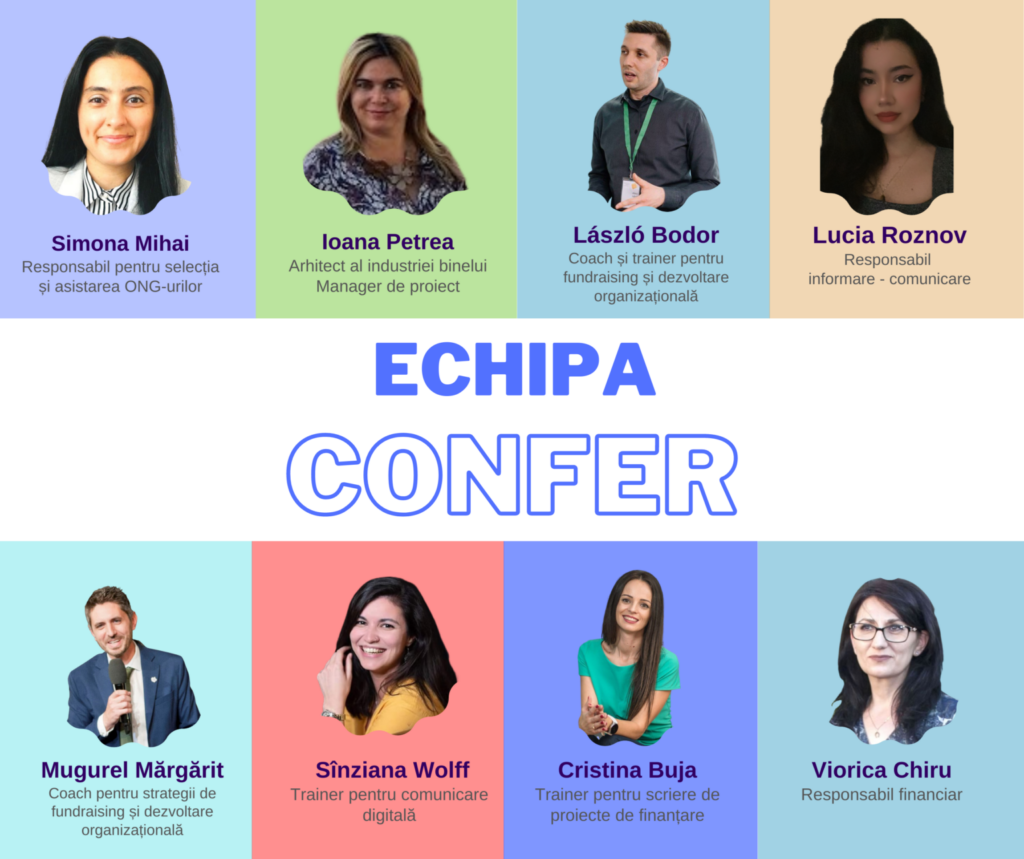
THE PEOPLE BEHIND CONFER
Methodology for transparent, participatory, responsible governance and intergenerational best practices within Romanian NGOs
By its nature, The Margareta of Romania Royal Foundation builds bridges of communication between generations and encourages the exchange of values and experience between the young and the elderly. The experience of working with vulnerable categories and the desire to support as many micro-communities as possible are the basis for creating this material, which we share with those who want to create a lasting link between those going through difficult life situations and the local community.
The purpose of this methodology is to provide practical information and support resources for social workers/specialists who wish to implement intergenerational programs in their community. When we created this methodology, we considered principles of transparency, responsibility, and collaboration to increase the quality of projects developing in underserved geographical areas.
The full Methodology for transparent, participatory, and responsible governance and intergenerational best practices within Romanian NGOs can be accessed with a simple click here.
The project is carried out by The Margareta of Romania Royal Foundation, in partnership with Nedland Kultur, and benefits from a grant worth 97,914.00 euros through the Active Citizens Fund Romania program, funded by Iceland, Liechtenstein, and Norway through the EEA Grants 2014-2021. The content of this website does not necessarily represent the official position of the EEA and Norway Grants 2014-2021; for more information, visit www.eeagrants.org. www.eeagrants.orgInformation about Active Citizens Fund Romania is The project is carried out by The Margareta of Romania Royal Foundation, in partnership with Nedland Kultur, and benefits from a grant worth 97,914.00 euros through the Active Citizens Fund Romania program, funded by Iceland, Liechtenstein, and Norway through the EEA Grants 2014-2021. The content of this website does not necessarily represent the official position of the EEA and Norway Grants 2014-2021; for more information, visit www.eeagrants.org. Information about Active Citizens Fund Romania is available at www.activecitizensfund.ro. www.activecitizensfund.ro.
“DOORS – Organizational Development of NGOs in Romania for Sustainability” addresses the need for sustainable development of the organizational capacity of 20 NGOs. The project aims to strengthen the capacity of 20 NGOs active in the social, education, health, civic, and environmental sectors, which operate in underserved geographical areas and face limited human, material, and financial resources.
The project responds to the urgent need for NGOs to become sustainable in a changing social and economic context. According to a report by FDSC, 90% of respondents are concerned that they will not be able to continue providing their current services over the next six months, while 10% of respondents fear that their organizations may cease operations or dissolve in the near future.
DOORS supports these 20 NGOs by improving the skills of organizational staff, updating internal procedures, developing organizational strategies, providing support for digitalization, strengthening cooperation with stakeholders and local authorities, facilitating the transfer of best practices, and fostering network collaboration for sustainable consolidation.
BENEFITS OF THE DOORS PROJECT
Within the DOORS project, organizations work in partnership with experts from the non-governmental sector to ensure sustainability, fulfill their mission, and serve their communities. Over 20 months, 20 less-experienced NGOs from small urban and rural areas across the country receive support to develop their organizational capacity through a comprehensive program that includes:
A digital transformation and promotion kit (assistance and development): branding elements, website, social media presence
Guidance and support in organizing networking events aimed at donor cultivation, sponsor retention, exchange of best practices, and network collaboration
Support for developing individual strategies
Training and coaching programs
WHO ARE THE BENEFICIARY NGOs?
Association of Patients with Hepatic Diseases
Cernavodă Plus Association
Art in Context Slănic Moldova Association
Global Network for Democracy and Human Rights (GNDHR)
Plaiuri Noi Association
ROBOCLUB Association
DARES Association
Little and Magical Soul Association
Te Aud România Foundation
OPEN Association
Pro Eco Tur Association
Samaritans in the Community Association
Sellification4Education Association
Sports Club Lucky Dragons
“Rise Up and Walk” Association – Arad Branch
Bacău County Branch of the Romanian Association of the Blind
European Center for Cultural Excellence Diverbium Association
Beyond Today Association
Saint Spiridon Multifunctional Association
Children Without Childhood Association
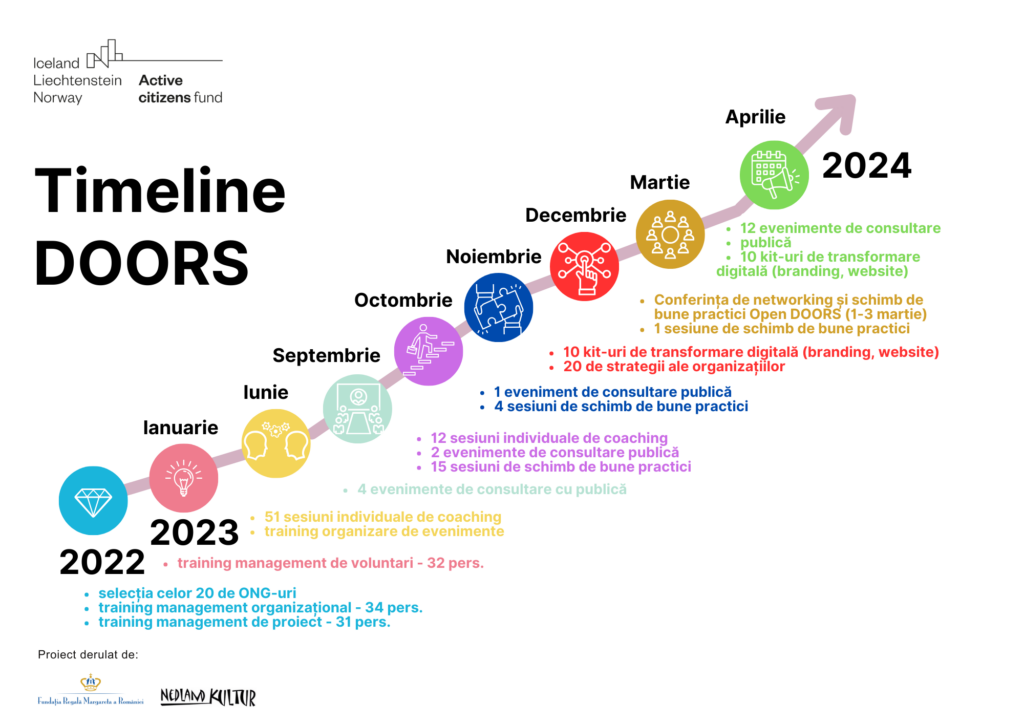
In September, four stakeholder consultations took place, as follows:
SEPTEMBER 6 Children Without Childhood Association (Vâlcea) held a discussion on fundraising with stakeholders primarily from the corporate and institutional sectors.
SEPTEMBER 14in Târgu Mureș, Sports Club Gladius Lucky Dragons invited representatives of the local business community and supporting authorities to discuss communication practices and potential improvements.
SEPTEMBER 16 At the border with Moldova, Pro Eco Tour organized a community consultation focused on the development of Suceveni village, involving local authorities, business representatives, and interested citizens.
SEPTEMBER 24 European Center for Cultural Excellence Diverbium/dialog (Telciu) held a consultation with the mayor, business representatives, volunteers, and parents to discuss how to develop the area for the benefit of children.
In October, two additional communities from the DOORS project were visited:
Samaritans in the Community Association (Mărculești) brought together the mayor, business representatives, and senior volunteers to discuss fundraising for a children’s camp and the possibility of organizing a cultural event showcasing children’s activities (choir, dance, weaving).
Plaiuri Noi Association (Cluj) invited business and academic representatives and members of rural communities to discuss sustainable development that respects community values and heritage.
In november: technology and education came together in Roșiori, Teleorman County, during a spectacular community consultation organized by ROBOCLUB Association, involving teachers, parents, children, and even robots.
The first stakeholder consultation of 2024 took place in Cernavodă, focusing on the integration of young people with disabilities. The mayor and deputy mayor attended, and special guest Ms. Sanda Gligu, President of the Romanian Association for Autism and ADHD Therapies, presented an intervention model hoped to be implemented locally.
In February, two consultations were held in southern Romania:
February 23, Beyond Today Association (Craiova) focused on engaging young people in civic projects.
February 27, in Bucharest, Global Network for Democracy and Human Rights hosted a debate on labor market integration of youth from vulnerable backgrounds.
March marked a marathon of six local events across western, northern, and northeastern Romania:
March 14 Rise Up and Walk Association – Arad Branch hosted an emotional consultation with beneficiaries with physical, hearing, and visual disabilities, discussing local needs in Sântana.
March 15 In Timișoara, Sellification4Education Association addressed teachers’ training needs related to Key Competences for Lifelong Learning, with examples of non-formal education using technology.
March 19 In Focșani, DARES Association discussed challenges faced by adolescents, especially communication with adults, teachers, and parents.
March 20 Romanian Association of the Blind – Bacău Branch held a consultation on accessibility and disability-related challenges.
March 21 Art in Context (Slănic Moldova) organized a debate on upcycling and recycling.
March 29 – In Turda, APAH Transilvania discussed the need to establish a community center for residents of Câmpia Turzii and surrounding localities.
April brought the final three public consultations:
April 4 – Saint Spiridon Day Center for Children (Galați) presented its projects to key stakeholders.
April 6 – OPEN Association (Târgoviște), a student organization, hosted an intergenerational consultation on educational development.
April 12 – The final consultation took place in Gura Humorului, hosted by Te Aud România Association, focusing on promoting inclusive and accessible rugby programs.
OPEN DOORS CONFERENCE – 3 DAYS OF INSPIRATION AND DEVELOPMENT IN BUCHAREST
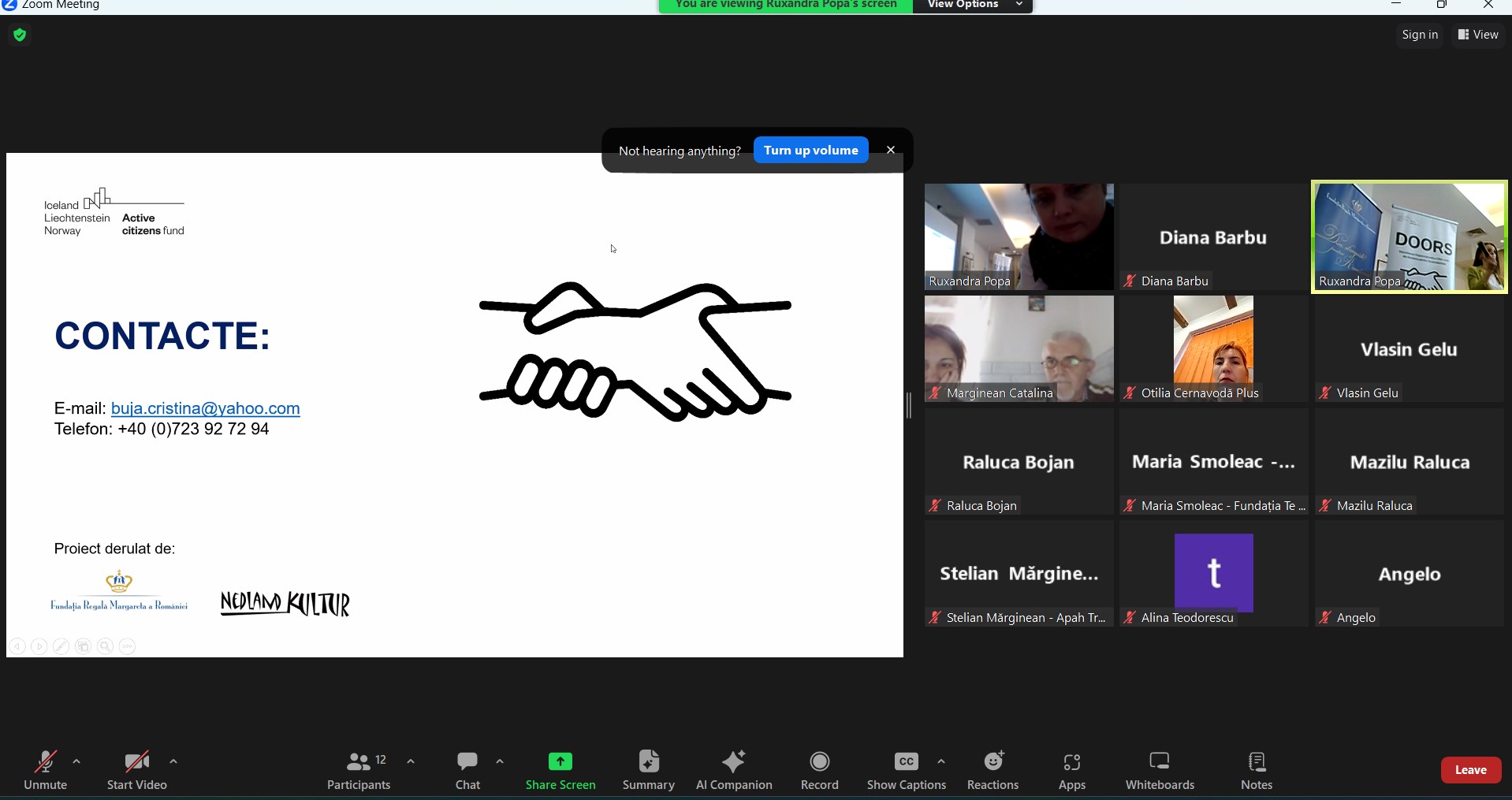
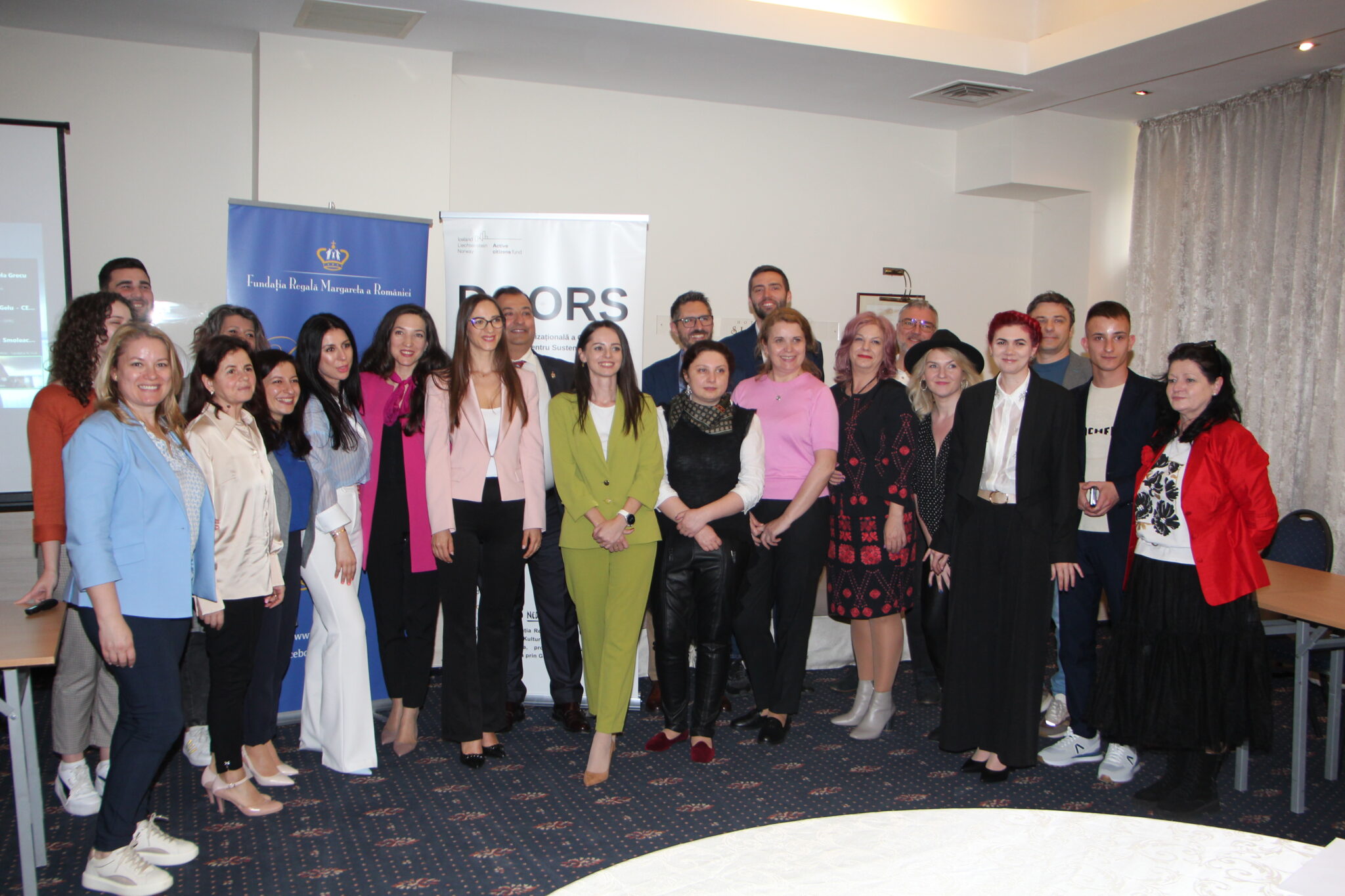
Between March 1–3, beneficiary organizations gathered in Bucharest for an intensive networking and best-practice exchange event, featuring speakers from the business, NGO, and public administration sectors. The event was organized with the support of partner Nedland Kultur.
The project concluded on April 19 with the Closing the DOORS Conference.
The event was held in a hybrid format (in Bucharest and online), marking the launch of the Intergenerational Guide, later published as an open-source resource for organizations interested in this methodology.
WHAT WAS THE SELECTION PROCESS?
The selection call was launched on October 14, receiving applications from numerous NGOs. The entire application process was conducted online. Applicants submitted a registration file including founding documents, proof of registration, fiscal certificates, annual reports or transparent activity reporting mechanisms (website, Facebook page, etc.), along with four annexes: applicant form, letter of intent, declaration of responsibility, and data protection agreement.
In addition to these, we had a list of eligibility criteria that had to be met cumulatively for the NGO applications to be validated.
Eligible NGOs met the following criteria:
are legally established and active for at least one year;
operate in the social, education, health, civic, or environmental fields;
operate in underserved areas characterized by limited civil society presence or community deprivation (low human capital, low employment rates, poor housing conditions, insufficient services for vulnerable groups).
Priority was given to organizations with fewer than 10 employees and a 2021 budget below EUR 200,000.
The project was implemented by the Royal Margareta of Romania Foundation, in partnership with Nedland Kultur, and benefited from funding of EUR 195,218.20 through the Active Citizens Fund Romania, financed by Iceland, Liechtenstein, and Norway through the EEA Grants 2014–2021.The content of this website does not necessarily reflect the official views of the EEA and Norwegian Grants 2014–2021. For more information, visit www.eeagrants.org . Information about Active Citizens Fund Romania is available at www.activecitizensfund.ro
Children from disadvantaged backgrounds need education that helps them create and maintain healthy habits—especially physical ones, but also relational skills—as well as positive life role models to inspire them. At the same time, older adults need to be included in community life, to value and share their experience and skills, and to feel appreciated. These needs are addressed through the Generations Clubs for a Healthy Life, a project implemented by The Margaret of Romania Royal Foundation and funded through the “În Stare de Bine” program, supported by Kaufland Romania and implemented by the Civil Society Development Foundation.
OBJECTIVES
200 children from disadvantaged backgrounds develop healthy skills and habits by participating in thematic sessions on nutrition, hygiene, sports, and social relationships, leading to improvements in their physical and relational quality of life.
To reinforce healthy lifestyle habits, children receive sanitary and personal hygiene kits, and for their educational and personal development, they take part in intergenerational school support or vocational guidance sessions.
30 seniors mentors design and deliver thematic modules—both theoretical and practical—aimed at developing healthy habits and skills, as well as supporting children academically and vocationally. Through their involvement in activities dedicated to children, seniors have the opportunity to value their experience and passions.
Generations Clubs for a Healthy Life are implemented in five after-school social centers during the period October 2021 – March 2022. The center teams benefit from the methodology and guidance provided by The Margaret of Romania Royal Foundation to create functional and mutually beneficial connections between disadvantaged children and valuable seniors from the community.
Children’s participation in Generations Clubs for a Healthy Life has a positive impact on both their present and future, as well as on the wider community, by offering a strong example of intergenerational collaboration. Children can become agents of change within their own families, while the centers can serve as models for other communities.
Social Center Locations
Oaza Association – Arad, Arad County
Generations Community Center – Bucharest, Sector 6
Stern der Hoffnung Association – Buziaș, Timiș County
Samaritans in the Community Association – Mărculești, Ialomița County
Florian Cristescu Community Development Association – Turnu Măgurele, Teleorman County
The Margaret of Romania Royal Foundation (Romania) implemented, over a period of 36 months (30.04.2018 – 29.04.2021), the project “Generations School – Preventing School Dropout through Community Involvement”, SMIS code 107876, co-financed by the European Social Fund – Human Capital Operational Programme (POCU), based on the financing contract concluded with the Managing Authority for POCU.
PURPOSE
The development of the Romanian educational system through measures addressed equally to preschool children, pupils, their parents, and teaching staff, targeting the catchment area of Lower Secondary School No. 153 and Colț de Rai Kindergarten, Bucharest, Sector 6.
OBJECTIVES
The project aims to prevent and reduce early school leaving, as well as to encourage enrolment in compulsory pre-university education for 369 children living in the catchment area of Lower Secondary School No. 153 and Colț de Rai Kindergarten, Bucharest, through:
Integrated educational measures, stimulating equal access and active participation of children in quality preschool, primary and lower secondary education, especially those from groups at risk of early school leaving.
Addressing the specific needs of children and parents in order to remove barriers to school participation, by providing material support to preschoolers and pupils, as well as actively involving parents in their children’s education through counselling and parental education activities.
Improving and diversifying educational services by transforming the school environment into a friendly and interactive one, organizing extracurricular activities and health, hygiene and nutrition education.
Developing partnerships with relevant local and regional stakeholders and disseminating, transferring and capitalizing on the good practices developed within the project.
TARGET GROUP
105 preschool children belonging to groups at risk of early school leaving;
264 pupils belonging to groups at risk of early school leaving.
ACTIVITIES AND SERVICES
Clothing and footwear packages; school supplies packages; personal hygiene kits
Participation in periodic events with a sports, artistic, intercultural or outdoor education focus
Health, hygiene and nutrition education delivered over a period of 32 months
Activities carried out within the “School after School” programme
Interdisciplinary workshops
Organized school camps
One-day trips to various tourist attractions
Facilitating the transition of pupils to the next educational cycle
BUDGET
Total project value: 3,403,551.84 RON, of which:
2,722,841.47 RON (80%) financed through POCU
680,710.37 RON (20%) financed from the national budget
PARTNERS
Lower Secondary School No. 153
Colț de Rai Kindergarten
EccoAssist – Plantăm fapte bune
Right to Education Foundation
EDIT Association
St. Nectarie Multifunctional Centre
UCECOM College – Spiru Haret
“Petru Maior” Technical College
Dumbrava Fermecată Kindergarten
Lower Secondary School No. 115
PROJECT MANAGER
Gabriela Iordache – phone + 40( 0 )723 299 447 – E-mail: Gabriela.Iordache@principesa.ro
The Margaret of Romania Royal Foundation is a partner of SC Global Commercium Development SRL in the project “$E$-SOLIDAR for Social Economy”, ID 128455, implemented during the period 11.02.2020 – 10.02.2023.
The project “$E$-SOLIDAR for Social Economy” is co-financed through the Human Capital Operational Programme 2014–2020, Priority Axis 4: Social inclusion and combating poverty, Specific Objective 4.16: Strengthening the capacity of social economy enterprises to operate in a self-sustainable manner.
Beneficiary name: SC Global Commercium Development SRL, Romania
Partner name: The Margaret of Romania Royal Foundation, Romania
GENERAL OBJECTIVE
The general objective of the project is the active promotion of the social economy as a mechanism for generating social inclusion, aimed at integrating people from vulnerable groups into the labour market and combating poverty, through their personal and professional development, as well as through the establishment of social enterprises in the South Muntenia and South-West regions, enabling them to develop and operate in a self-sustainable manner.
SPECIFIC OBJECTIVES
O1. Developing the capacity, skills, knowledge and self-esteem of at least 150 people belonging to the target group, through the organization of vocational training programmes specific to the social economy sector, in order to empower them to initiate and develop sustainable social businesses.
O2. Stimulating the establishment of social economy entities by members of the target group, by providing integrated support and de minimis aid for at least 26 social businesses, and strengthening the capacity of these structures to operate efficiently and sustainably in a competitive environment, including through transnational know-how.
O3. Promoting the social economy as a flexible and sustainable instrument for economic development and social inclusion, by creating partnerships and networks and by familiarizing stakeholders with innovative examples and models of good practice in the field.
TARGET GROUP
The target group of this project consists of 150 people from the South Muntenia and South-West regions who wish to establish a social enterprise, with the aim of creating new jobs and developing local communities, as follows:
- 70 inactive persons, unemployed persons and people from vulnerable groups – individuals facing economic and social barriers, persons over 45 years of age, persons with disabilities, single-parent families, etc.;
- 80 people with low and medium incomes, who are employed either as employees or self-employed (PFA), and who are interested in this specific type of entrepreneurship.
Eligible persons for inclusion in the project’s target group must cumulatively meet the following conditions:
- Intend to establish a social enterprise in an urban or rural area within the South Muntenia and South-West regions
- Have their residence or domicile in the South Muntenia and South-West regions
The target group does not include NEET (young people aged 16–24 who are not in education, employment or training). (young people aged 16–24 who are not in education, employment or training).
ACTIVITIES AND RESULTS
The project aims to support the establishment of 26 social enterprises in the South Muntenia and South-West regions by beneficiaries who receive comprehensive and integrated support, through specific entrepreneurial training measures, personalized support services, financing and optimal monitoring, ensuring that these social economy structures become self-sustainable in the long term within the communities in which they operate.
Start date: 11.02.2020
Implementation period 36 luni (11.02.2020 – 10.02.2023)
Total value: 13.858.844,13 RON
Total non-reimbursable value: 13.693.147,38 RON
PROJECT DETAILS
EUROPEAN SOCIAL FUND
Human Capital Operational Programme 2014–2020
Priority Axis 6 Education and Skills
Composite operation S.O. 6.3: Reducing early school leaving through integrated prevention measures and ensuring equal opportunities for pupils belonging to vulnerable groups, with a focus on Roma pupils and pupils from rural areas / socio-economically disadvantaged communities; andS.O. 6.6: Improving the competences of pre-university teaching staff in order to promote quality educational services oriented towards students’ needs and an inclusive school.
Beneficiary: The Margareta of Romania Royal Foundation
Project title: Generations Clubs – Outdoor Non-Formal Education for Children with Teachers’ Support
Financing contract no.: 130730 / 08.11.2022
SMIS Code 153850
Total value: 1.726.154,38
EU co-financing value 1.467.231,24 RON
OBJECTIVES
The general objective of the project “Generations Clubs – outdoor non-formal education for children with teachers’ support” is to implement a set of complex and concrete measures to address early school leaving in Teleorman County, by ensuring the necessary school infrastructure and by empowering 40 teachers and support staff with the conceptual and practical competences required to deliver quality and inclusive non-formal education programmes for 330 children.
Through this set of complex and concrete measures addressing early school leaving, the project contributes to increasing equitable access of children from the target group to non-formal educational services with a direct positive impact on reducing the risk of early school leaving and strengthening the foundations for shaping a future in which supported children can fulfil their potential and contribute to the development of the local community.
THE PROJECT HAS 3 SPECIFIC OBJECTIVES:
SPECIFIC OBJECTIVE NO. 1
Creating the necessary framework for the development of inclusive non-formal education by improving the quality of competences of 40 professionals (teaching and support staff) from partner educational institutions in Teleorman County, through accredited professional development programmes, training, coaching, dissemination of good practices, and the setup and equipment of 3 educational spaces dedicated to outdoor non-formal activities, based on children’s needs, using an active, participatory and inclusive approach to prevent early school leaving over a period of 6 months.
SPECIFIC OBJECTIVE NO. 2
Strengthening active participation in primary and lower secondary education of 170 children from vulnerable groups enrolled in partner educational institutions in Teleorman County who are at educational risk, face difficulties in transitioning to a new education cycle or experience functional illiteracy, through concrete preparatory, guidance and non-formal activities aimed at socio-educational inclusion, skills synchronization and reduction of functional illiteracy, and implicitly the risk of early school leaving, over a period of 10 months.
SPECIFIC OBJECTIVE NO. 3
Developing the skills and competences of 330 children from primary and lower secondary education (170 primary school pupils and 160 lower secondary pupils), with a focus on vulnerable pupils enrolled in partner educational institutions in Teleorman County, through outdoor non-formal education measures such as thematic clubs, socio-emotional groups, intergenerational activities and health education, contributing to the inclusion of vulnerable children and reducing the risk of early school leaving over a period of 14 months.
PROJECT ACTIVITIES
A1 – General project management (09.11.2022 – 31.12.2023), including the following sub-activities:
- Project management: planning, organization, monitoring, verification, control and evaluation;
- Information, publicity and visibility of the project and the funding authority, as well as other administrative activities necessary for optimal project implementation.
A2 – Technical coordination of partners’ activities, including:
- Technical coordination of the optimal implementation of project partners’ activities. (09.11.2022 – 31.12.2023)
A3 – Creating the necessary framework for improving the quality of outdoor non-formal education by ensuring resources and know-how for teaching, support and management staff within school (09.11.2022 – 31.12.2023), including the following sub-activities:
- Informing, selecting and motivating the project target group to become involved and actively participate in activities;
- Equipment and setup of 3 spaces dedicated to outdoor non-formal activities within the 3 involved schools (11.2022 – 30.04.2023);
- Development of competences of teaching and support staff in outdoor non-formal education through tailored professional development and training programmes (09.11.2022 – 28.02.2023);
- Implementation of a coaching programme for teaching, support and management staff to improve competences in working interactively with children from vulnerable groups at risk of early school leaving (09.11.2022 – 28.02.2023);
- Organization of an online seminar on good practices in organizing and delivering outdoor non-formal educational activities, aimed at transferring results to relevant local, regional and national stakeholders (01–28.02.2023).
A4 – Improving participation of children from the target group in primary and lower secondary education through personalized outdoor non-formal educational measures to prevent early school leaving (01.03-31.12.2023) including the following sub-activities:
- Preparatory and guidance programmes for 4th and 8th grade pupils to facilitate school transition to a new education cycle and reduce educational risk;
- Implementation of an interdisciplinary programme to prevent and reduce functional illiteracy, focused on understanding and rational, coherent and practical use of knowledge acquired through formal education.
A5 – Developing skills and competences of primary and lower secondary pupils through personalized outdoor non-formal education approaches to prevent early school leaving (01.03-31.12.2023) including the following sub-activities:
- Clubs in sports, creative, artistic, traditional, handicrafts and environmental fields, aimed at preventing early school leaving and developing socio-emotional skills through outdoor non-formal education;
- Socio-emotional development groups to increase self-esteem and develop communication and interpersonal skills;
- Intergenerational activities involving children and older people to promote respect between generations and strengthen the local community (01.06 – 31.12.2023);
- Health, hygiene and nutrition education programme for children and parents, promoting a healthy lifestyle adapted to limited material resources (01.06 – 31.12.2023).
BENEFICIARIES
Primary and lower secondary pupils (330 children) enrolled in the two partner schools.
Teaching and support staff (40 persons) from the two partner schools.
PROJECT INDICATORS
• 4S223 persons (330 pupils) benefiting from support for participation in education programmes (primary and secondary education);
• 4S223.1 persons (170 pupils) benefiting from support for participation in education programmes – primary education;
• 4S223.1.1 persons (24 pupils) of Roma ethnicity benefiting from support – primary education;
• 4S223.1.2 persons (100 pupils) from rural areas benefiting from support – primary education;
• 4S223.2 persons (160 pupils) benefiting from support – lower secondary education;
• 4S223.2.1 persons (20 pupils) of Roma ethnicity benefiting from support – lower secondary education;
• 4S223.2.2 persons (100 pupils) from rural areas benefiting from support – lower secondary education;
• 4S94 teaching/support staff (40 persons) benefiting from training programmes / exchange of good practices.
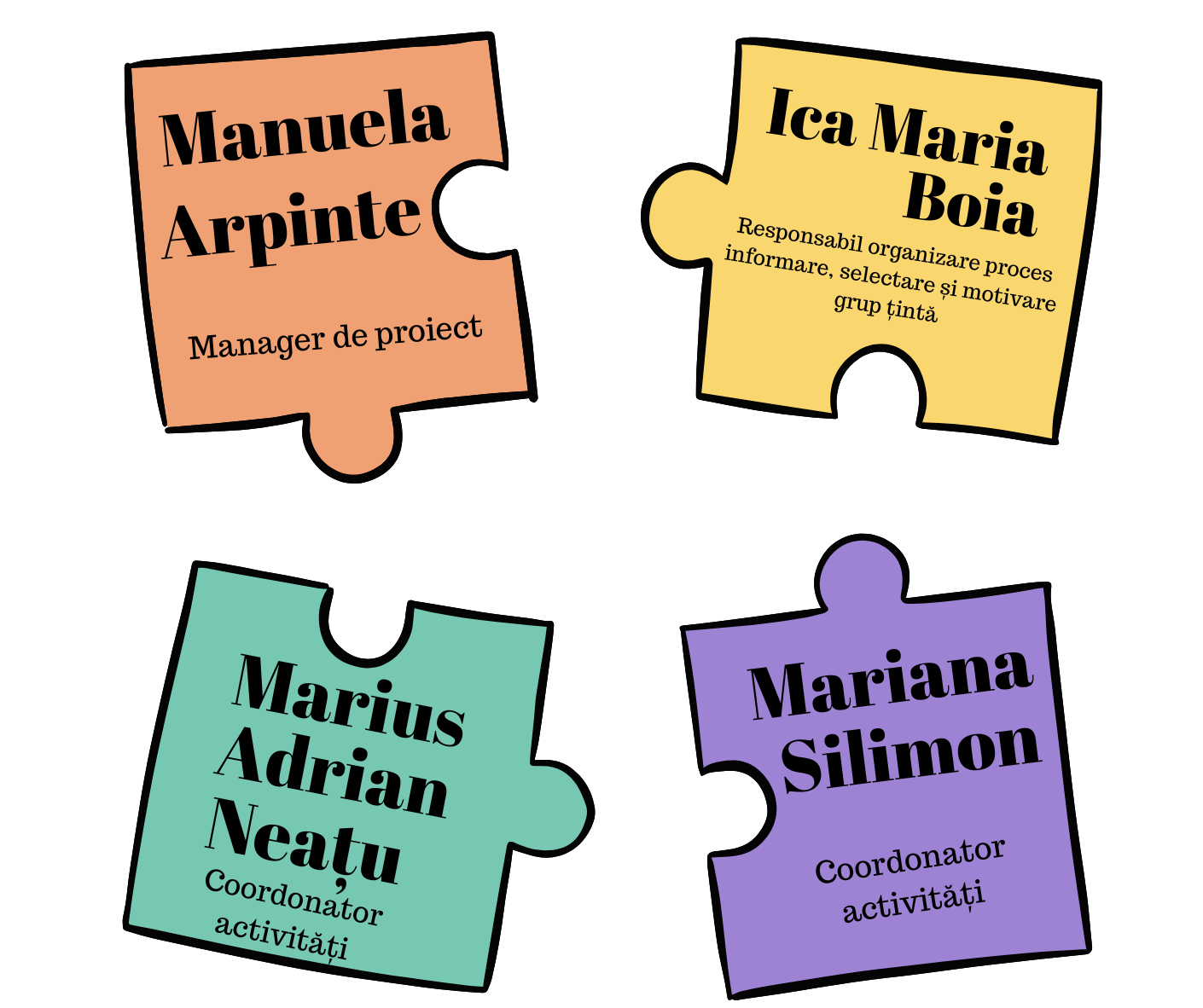
TEAM
PARTNERS
Middle school No. 4, Turnu Măgurele, Teleorman County;
Middle school No. 1, Islaz, Teleorman County.
CONTACT
Project manager – Manuela Arpinte, phone: 0724.561.398
E-Mail: manuela.arpinte@principesa.ro
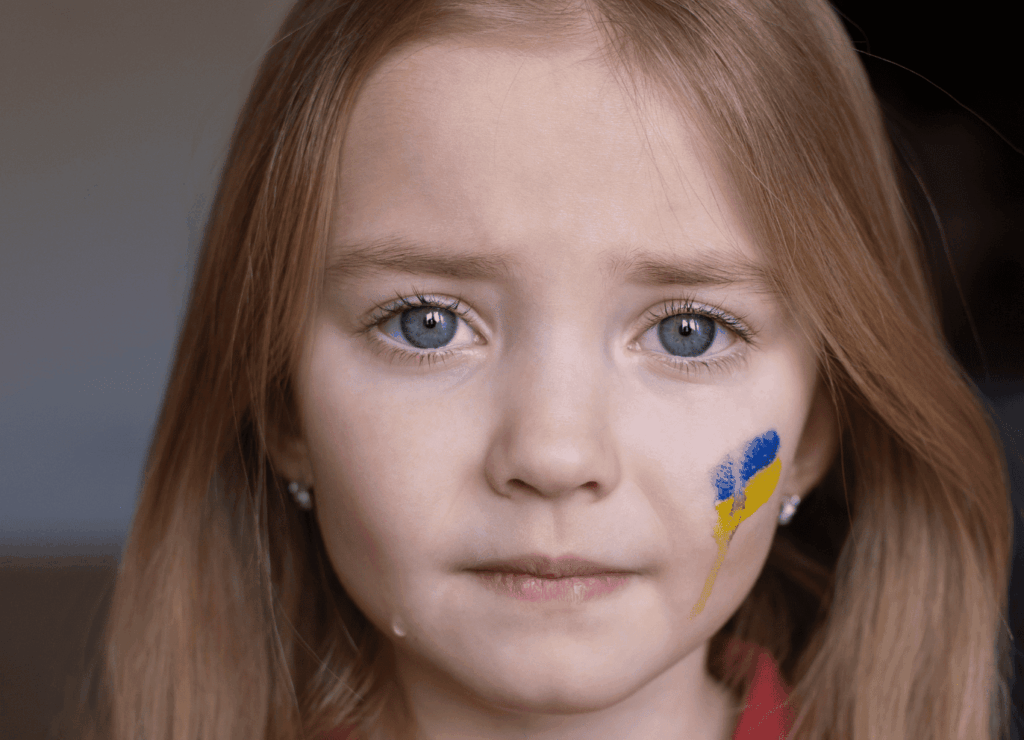
Against the backdrop of the crisis generated by the violent conflict, The Margareta of Romania Royal Foundation launches the HELP FOR REFUGEES project, aimed at addressing the urgent needs of families in critical situations. HELP FOR REFUGEES means shelter, food and guidance for vulnerable families in need of immediate support.
HOW DO WE HELP?
We provide accommodation and hot meals for families with children
We ensure food supplies, medical products and personal hygiene items
We offer assistance for children
We provide guidance and social counselling
We facilitate access to medical services, psychological support and translation services
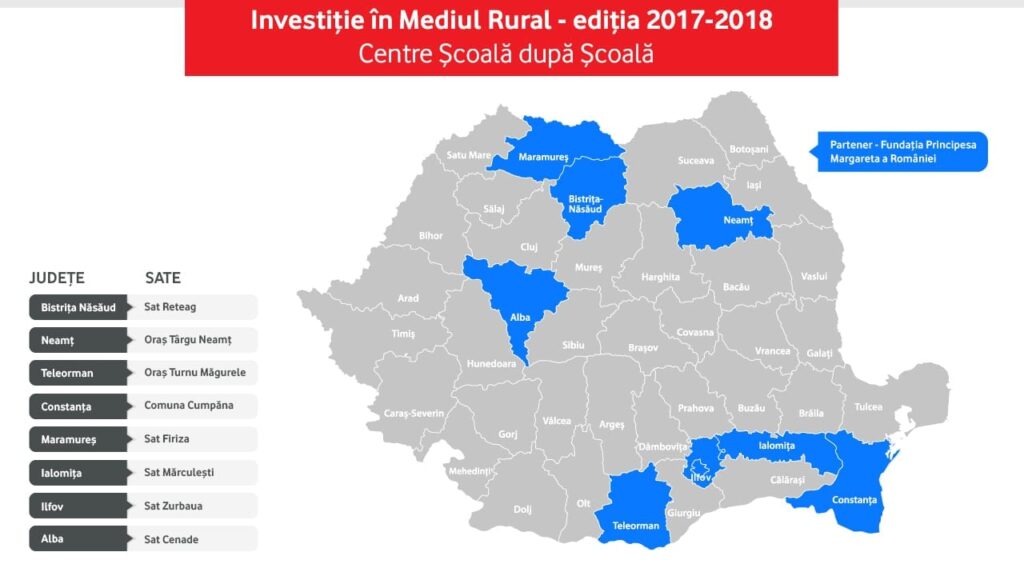
Through the national programme “Investment in the Rural Environment” 2017–2020, The Margareta of Romania Royal Foundation, together with Vodafone Romania Foundation, supports 8 After-School centres.
The programme is based on the findings of the study „Investment in Education for Children in Rural Areas”, launched at the initiative and with the funding of Vodafone Romania Foundation.
Two thirds of educational institutions in rural areas face at least one educational risk factor, such as poor results in national assessments, risk of school dropout, high absenteeism and repetition rates, as well as one or more socio-educational risk factors, such as students coming from economically disadvantaged families or insufficient facilities and material resources. School dropout is present in 40% of rural educational institutions, with the highest number of cases recorded in high schools.
PURPOSE
To strengthen the capacity of local communities to support children from rural areas in accessing education and developing beyond the disadvantaged environments they come from, through After-School activities.
OBJECTIVES
Supporting children from rural areas in accessing education, preventing school dropout and improving academic performance, through participation in After-School (SDS) programmes, where they receive assistance with homework, remediation of learning gaps, improvement of school performance, personal development and social skills activities, educational kits and meals.
Supporting at least 320 children per year to participate in After-School programmes, continue their education, improve academic performance and achieve social integration.
Strengthening the capacity of 8 local NGOs to deliver high-quality and sustainable After-School programmes by improving management, communication and fundraising capacity, as well as training staff working directly with children.
PARTNERS
Innocenti Foundation – Reteag Village, Bistrița
Omenia Philanthropic Foundation – Târgu Neamț
Community Development Association – Cumpăna Commune, Constanța
Florian Cristescu Parents Association – Turnu Măgurele Town, Teleorman
Mansio Association – Firiza Village, Maramureș
Samaritans in the Community Association – Mărculești Village, Ialomița
Triada Association – Zurbaua Village, Ilfov
Caritas Metropolitan Greek Catholic Blaj Association – Cenade Village, Alba
ACTIVITIES
Supporting 360 children through formal and non-formal educational activities aimed at improving school results, increasing motivation and self-esteem.
Training 16 education specialists to work with children from disadvantaged backgrounds, with the aim of developing emotional intelligence and preventing early school dropout.
Training the 8 local NGOs in communication and fundraising techniques to ensure project sustainability.
Training 16 specialists in volunteer management.
Training 16 specialists in organizational management.
Supporting approximately 360 parents and grandparents in their relationship with the children in their care by providing parental education and relevant materials.
Engaging 40 senior volunteers to support After-School programmes.
Developing and implementing a standardisation framework for After-School centres.
Contact: Sorin Marinescu – Project Coordinator
Email: sorin.marinescu@principesa.ro
Phone: +40 (0)31 31 23 035 | Mobile: +40 (0)729 013 365
PROGRAMME SUPPORTED BY VODAFONE ROMANIA FOUNDATION
Vodafone Romania Foundation is a Romanian non-governmental organization with charitable status, distinct and independent from the company’s commercial operations, established in 1998. Over its 19 years of activity, Vodafone Romania Foundation has funded 1,046 programmesimplemented by 660 NGOs across the country in the fields of health, education and social services. The projects have reached 2 million beneficiaries – children, young people, elderly persons and individuals disadvantaged physically, socially or economically. To date, Vodafone Romania Foundation has invested over 26 million euro in projects implemented by partner non-profit organizations. More details about the Foundation’s programmes are available at: www.fundatia-vodafone.ro, http://jurnaldebine.fundatia-vodafone.ro/ and www.facebook.com/fundatiavodafone.