Over 1,000 elderly people have acquired digital skills through the Hi Digital project – Connecting Generations in the Digital World

- 1,010 seniors participating in the Hi Digital project – Connecting Generations in the Digital World in Bucharest and 15 other localities in Romania
- 430 workshops with 10 themes for the digital education of elderly people over 65 years old
- 22 people, including 10 elderly people, trainers in their communities
Bucharest | January 13, 2026 – The Margareta of Romania Royal Foundation has completed the second edition of the Connecting Generations in the Digital World project, initiated and supported by the Vodafone Foundation through the Hi Digital program, dedicated to the digital education of seniors. The project took place between March and December 2025 in Bucharest and 15 other localities across the country, and was addressed to elderly people over the age of 65from the mentioned communities who owned a smartphone and wished to learn how to use it more efficiently.
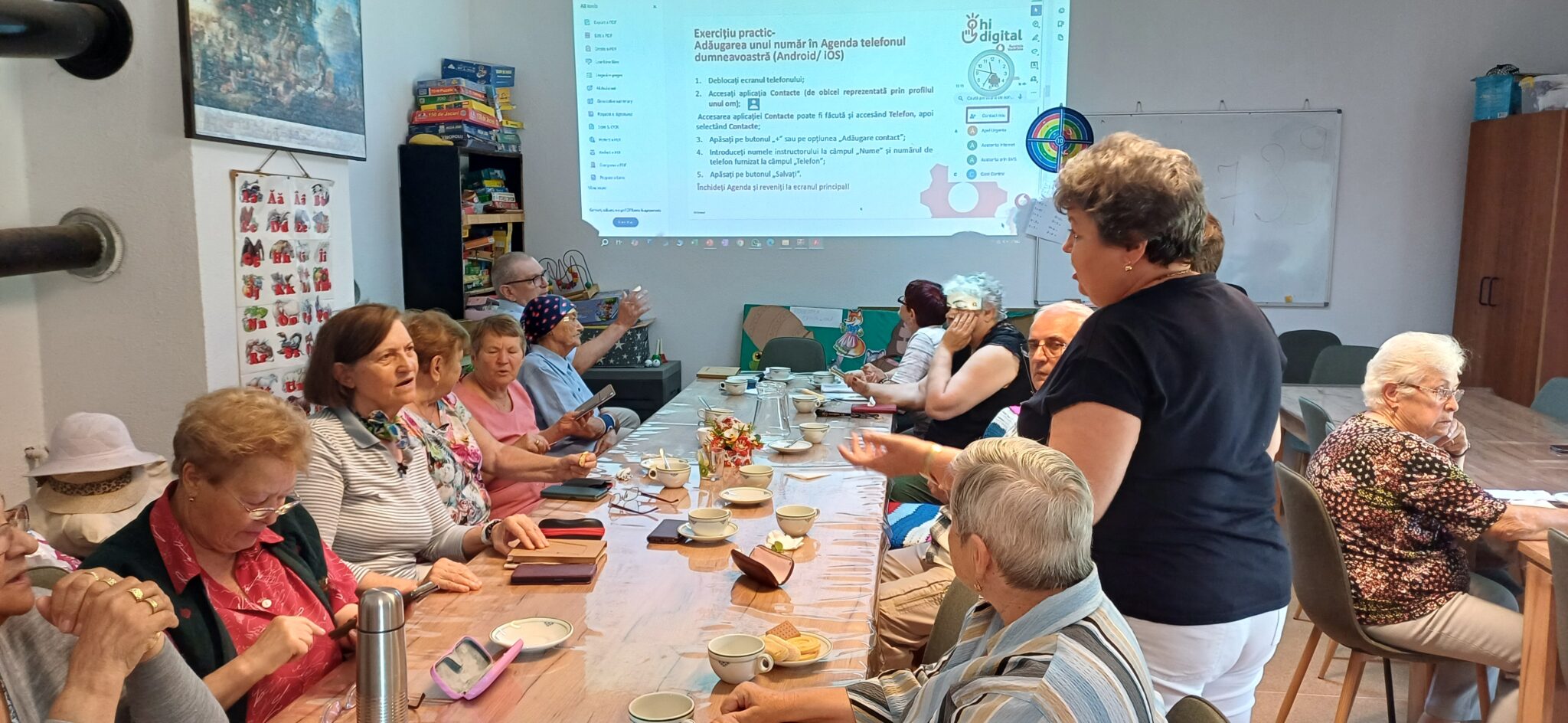
For the second consecutive year, the project supported 1,010 elderly people over the age of 65who had free access to a series of practical digital education workshops. 430 workshops, with 10 specially designed themes, held over 942 hours of digital education, were focused on understanding basic smartphone settings, calls and text messages, photography and cloud, online browsing, mobile apps and maps, online shopping, communication apps and e-mail, safe smartphone use, social networks, and internet banking.
Through a train–the–trainers program, 22 people, including 10 elderly people, became mentors in their communities, with 150 volunteers from all 16 communities dedicated over 1,000 hours to support the seniors and trainers.
4,372 indirect beneficiaries, families, friends, and communities enjoyed the interaction with the digitalized seniors.
In Bucharestwere organized 26 workshops benefiting 39 elderly people. During these meetings, participants gained not only information on how to use their mobile phones to manage in an increasingly technologized society, but also moments to expand their social network, stay active, and connected with people of the same age.
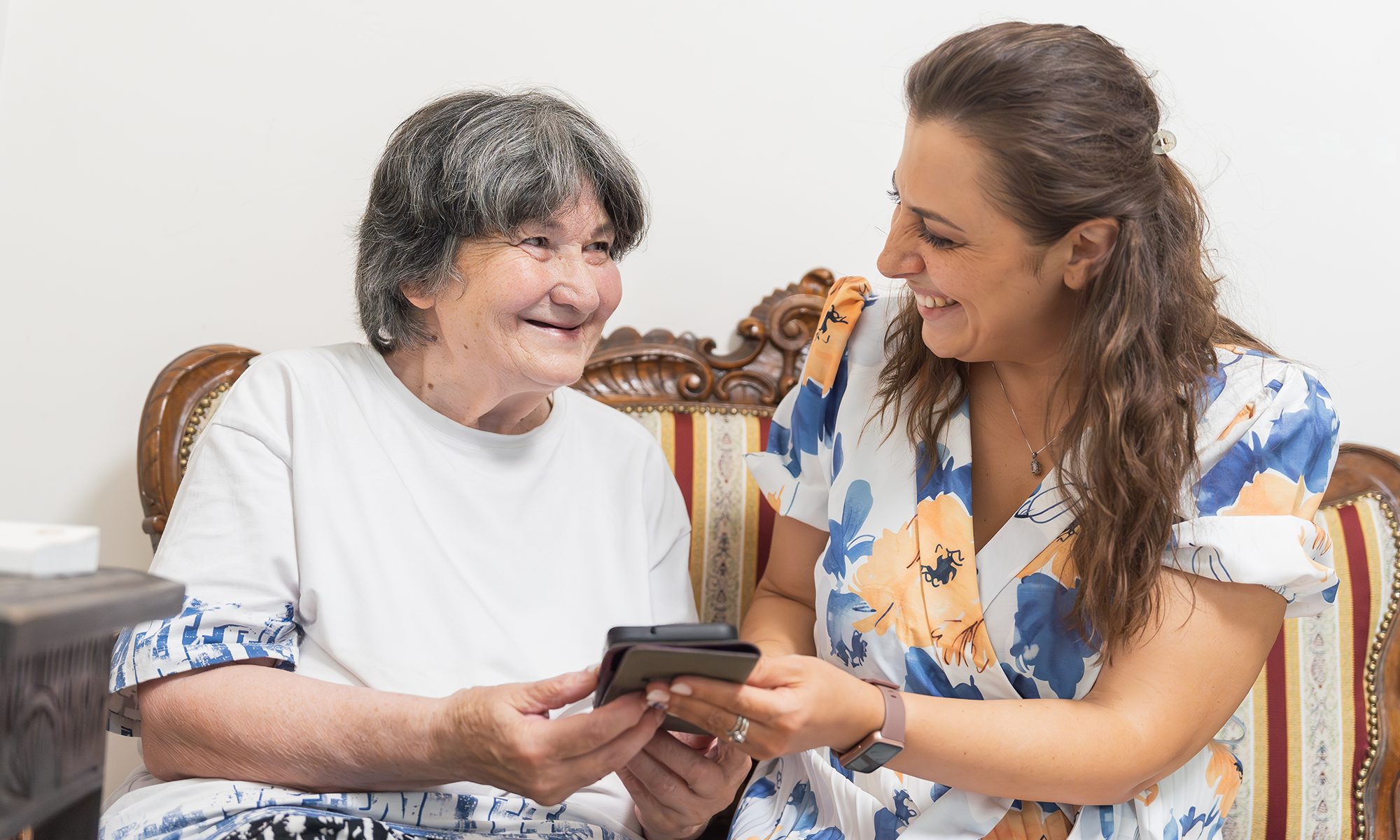
,,I signed up for the course because I wanted to learn how to better use my mobile phone, especially applications useful in daily life, such as WhatsApp, Google, or the camera. I also wanted to gain more self-confidence when using technology and no longer fear making mistakes. I told myself that if I knew how to use the phone's functions better, my life would become easier in many ways. I would be able to stay in touch more easily with family and friends, even those at a distance, I would have more autonomy, and things like paying bills or searching for useful information would become simpler. And that is exactly what happened. The course helped me be more connected to the world and more confident in my own strength. The instructors were patient and explained everything with great understanding. I felt at ease and made some beautiful friendships with people who, like me, want to learn and keep up with technology," – says Mrs. Angela, aged 79, a project beneficiary from Gorj county.
Extended results at a national level
The project involved 10 local non-governmental organizations from 15 localities: Arad, Bacău, Baia de Fier, Baia Mare, Buciumeni, Câmpia Turzii, Galați, Hobița, Nucet, Polovragi, Sibiu, Sighișoara, Târgu Jiu, Turda, and Turnu Măgurele. Within these communities, 971 elderly people benefited from the development of digital skills by participating in 404 workshops.
The project aims to bring about an inclusive digital transformation for elderly people in Romania, promoting social participation and their access to essential digital information and services in today's society.
Investing in digital education programs and technology accessibility for elderly people is not only a practical initiative but also one with social and emotional impact.
We intend for the project to continue in 2026, so that as many elderly people as possible can benefit from digitalization activities, an essential component for their integration into an increasingly technologized society and for ensuring a higher quality of life.
___________________________________________
About The Margareta of Romania Royal Foundation
Established in 1990 by Her Majesty Margareta, Custodian of the Romanian Crown, together with her father, King Michael, the Margareta of Romania Royal Foundation is today an elite non-governmental organization that supports children, youth, and elderly people through sustainable interventions based on the exchange of experience and values between generations. Throughout its 36 years of activity, the Foundation has developed numerous sustainable projects in the fields of education, community development, civil society, health, and culture, projects that have contributed to the spiritual and social renewal of Romania. The Margareta of Romania Royal Foundation supports elderly people through programs meant to increase their quality of life, with the involvement of volunteers and the mobilization of institutional partners and the entire community, the most recent being the Elderly Fund, The Elderly Helpline and the Generations Community Centers. More details are available at fundatiaregala.ro/ and https://www.facebook.com/frmr.ro.