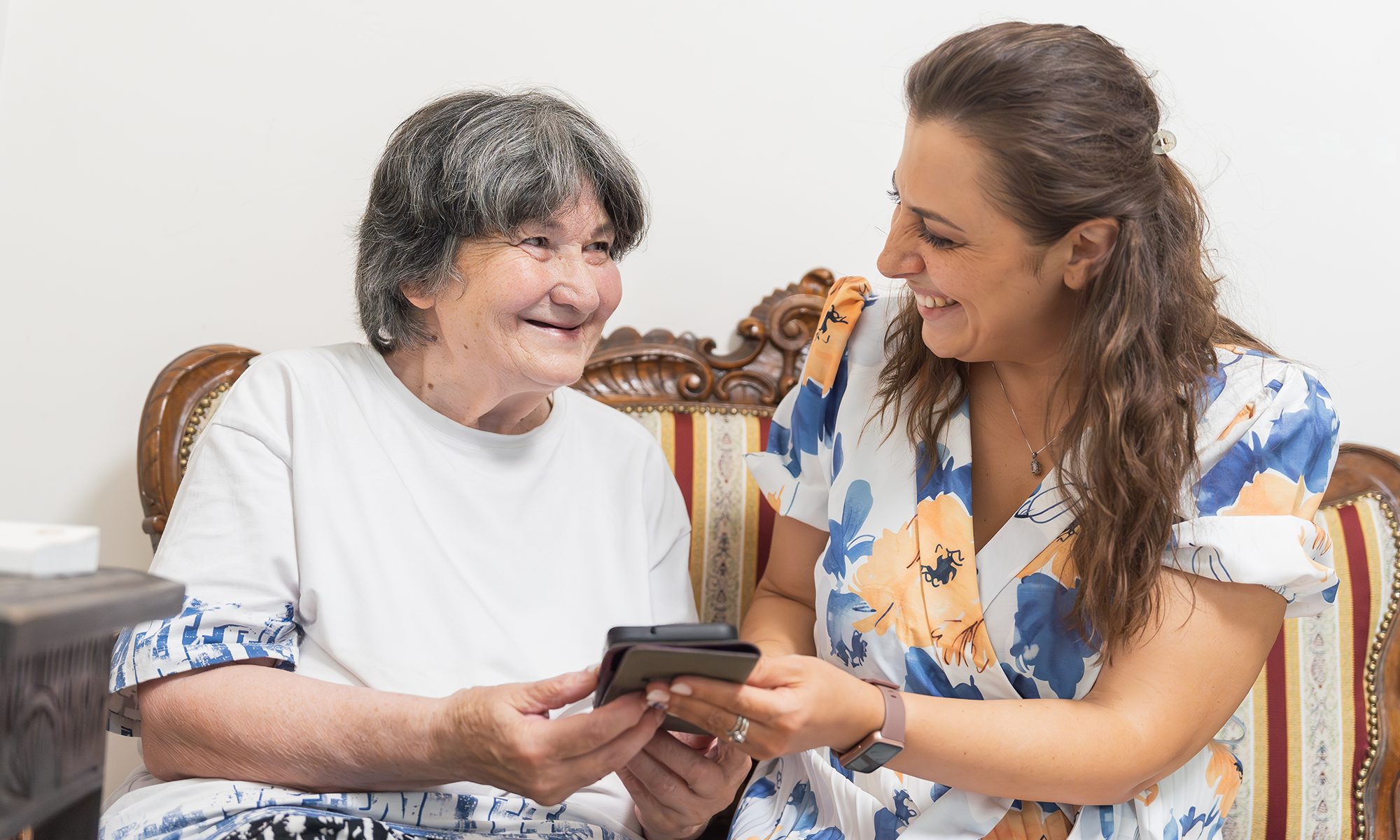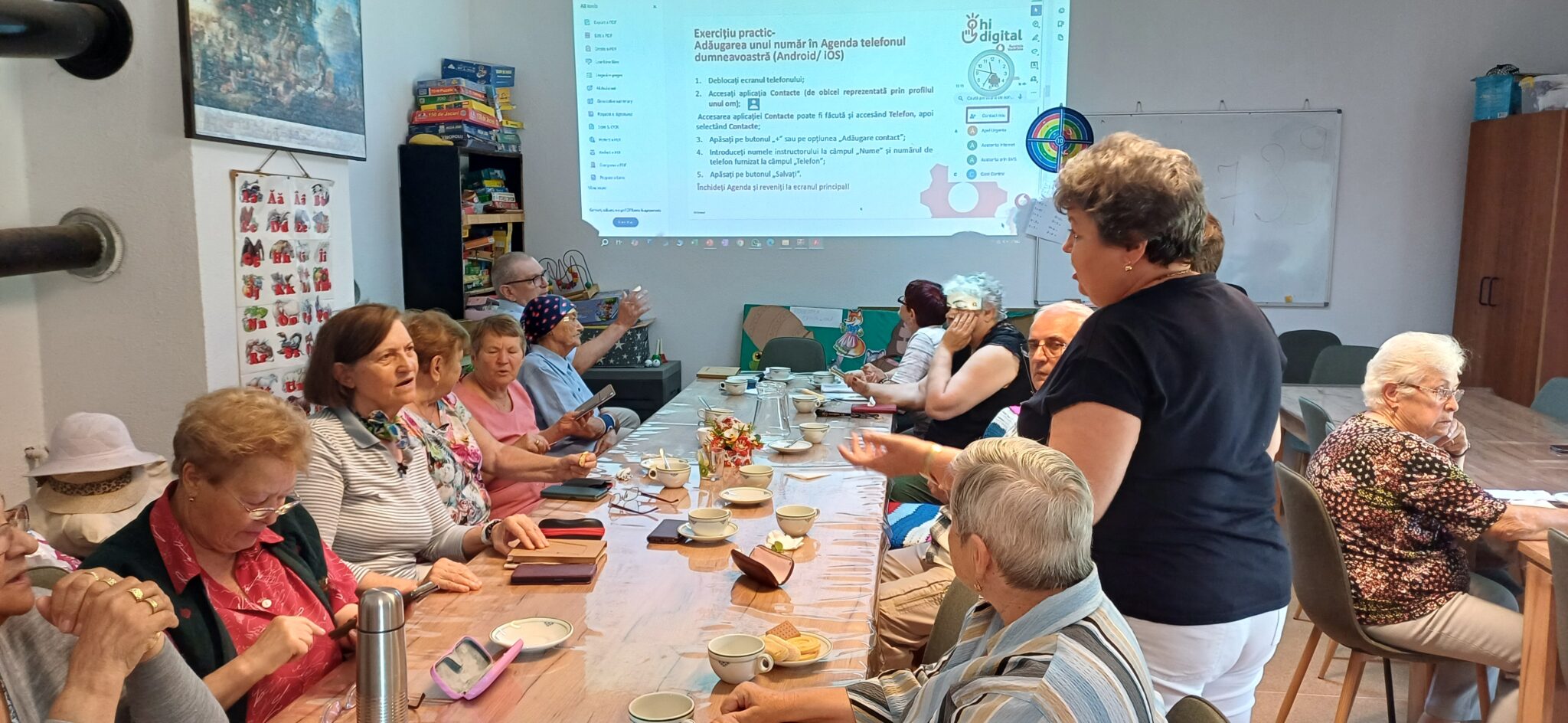
The "Generations – Community Center" program continues in 4 social centers. Seniors who want to get involved in the community can become online mentors for children in the program

The national Generations program, carried out by The Margareta of Romania Royal Foundation, continues in the 2020-2021 school year with funding provided by Raiffeisen Bank. The project takes place in four community centers in Bucharest and the counties of Galați, Covasna, and Bacău, where senior volunteers guide children—beneficiaries of after-school social centers—with their homework or educational activities. This year, the Foundation is recruiting 55 volunteers to support children within their communities.
Seniors who wish to become volunteers in The Generations Centers can find more details at the Elderly Helpline (0800-460–001), a free and confidential social counseling line for seniors in Romania, or they can register by completing the online form on the website: https://intergenerational.ro/implica-te/. They will work with children from the following four centers: Sfântul Spiridon Day Center (Galați County), Cernat Day Center (Covasna County), Casa YANA Center (N. Bălcescu, Bacău County), and the Generations Community Center (Sector 6, Bucharest).
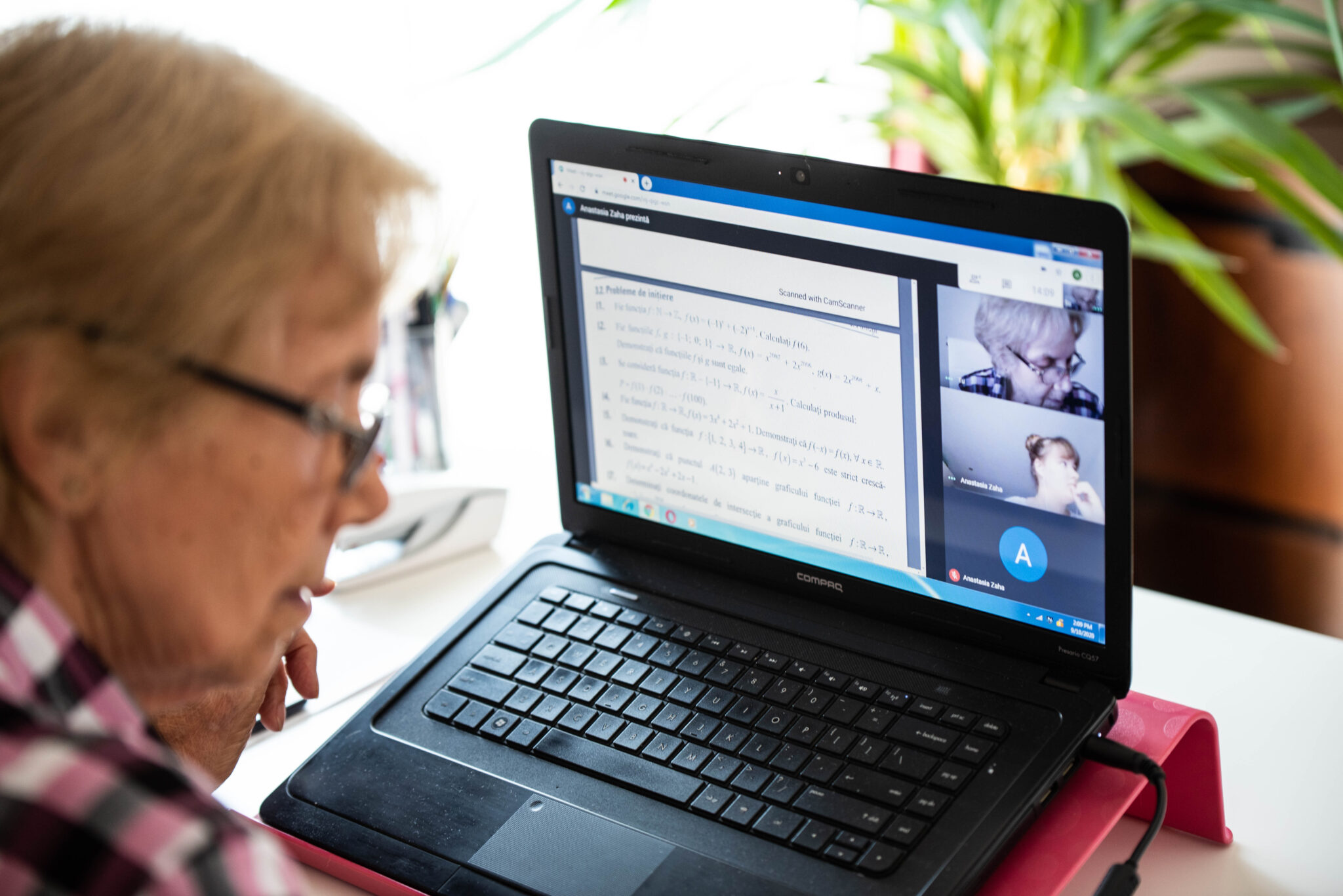
The novelty of the project this year is the transition of many activities carried out within the after-school social centers to the online environment. This brings a challenge for seniors who wish to volunteer, as they must adapt to the new situation and online working methods. In this way, the elderly will be able to continue connecting with children from disadvantaged backgrounds and contribute, through their experience, to their academic and personal development. In this context, the centers will be equipped with devices that allow educational activities to be held in the virtual environment.
Seniors who wish to become online mentors should be specialists in a particular field, have a positive attitude, and be willing to work with children. However, they must also possess certain digital skills necessary for organizing online sessions on topics of interest to children: tutoring in various subjects, homework support, interactive educational clubs and workshops, vocational circles, or personal development sessions.
The accelerated aging of the population and school dropout rates caused by poverty are two of the social problems Romania currently faces. According to the INSSE report from January 1, 2020, over 3.7 million people in Romania are over 65 years old, and according to a national study conducted by The Margareta of Romania Royal Foundation, 47% of seniors face a deep sense of uselessness due to the loss of their social role. On the other hand, children from low-income families need educational support, and day centers in disadvantaged communities face insufficient human resources.
In response to these social issues, The Margareta of Romania Royal Foundation, together with Raiffeisen Bank, developed the Generations – Community Center program, launched in 2015. Over five years of investment in communities across 10 counties (up to 2020), 19 after-school day centers have become intergenerational centers. The Generations centers have created a framework where 980 children from disadvantaged backgrounds benefited from valuable educational and social support, as well as vocational or personal development, provided by senior volunteers in their communities. Over 350 seniors offered a diversity of activities, utilizing their experience and skills through volunteering. Furthermore, the centers diversified their portfolio of activities and learned to attract new resources from the community, supported in fundraising efforts by Community Foundations. The project is a double laureate of the Civil Society Gala in the categories of "Volunteer Projects and Campaigns" and "Social Assistance Services."
"The program has brought an important change in mentality at the level of each community where it was implemented and has shifted the paradigm regarding these two disadvantaged categories—both children and seniors have become valuable resources for each other within intergenerational activities," says Mugurel Mărgărit, Executive Director of The Margareta of Romania Royal Foundation.
Intergenerational interaction has a beneficial effect both on the children who are beneficiaries of the centers and on the senior volunteers. Progress has been noted in the children's development, not only academically but also personally, through increased self-esteem, self-confidence, and responsibility. Regarding the impact on senior volunteers, an improvement in their quality of life was observed as they took on a new social role, regained personal value, and rediscovered a sense of utility and belonging to the community.